
NICE project launch in Senegal: workshops in Bambilor and Kaffrine
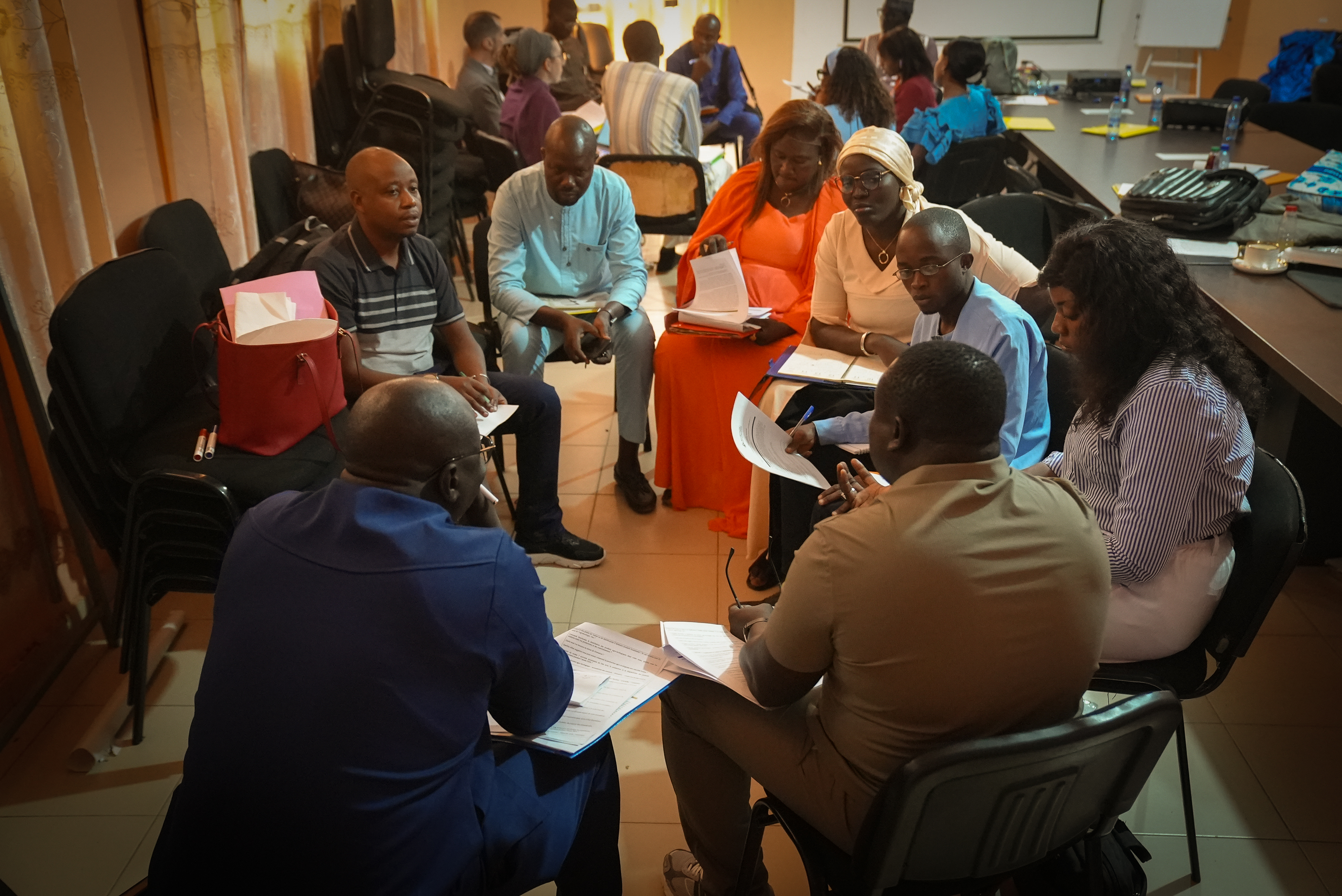
From February 3 to 6, 2026, the launch workshops for Phase 2 of the NICE — Nutrition in City Ecosystems project were held in Bambilor and Kaffrine, the two Senegalese secondary cities targeted by the project. CREATES, which has officially joined the NICE consortium, actively participated in these first field activities.
The NICE project
Funded by the Swiss Agency for Development and Cooperation (SDC), the NICE project aims to transform urban food systems in secondary cities. Following a successful first phase in other countries, Phase 2 expands to Senegal with Bambilor and Kaffrine as intervention territories.
The international consortium brings together leading partners: Swiss TPH, ETH Zurich, Sight and Life, SAF, E4S, Rikolto, and CNDN.
Bambilor workshops (February 3-4)
The first days took place in Bambilor, with institutional meetings with local authorities — prefects and elected officials — to present the project’s objectives and lay the groundwork for territorial collaboration.
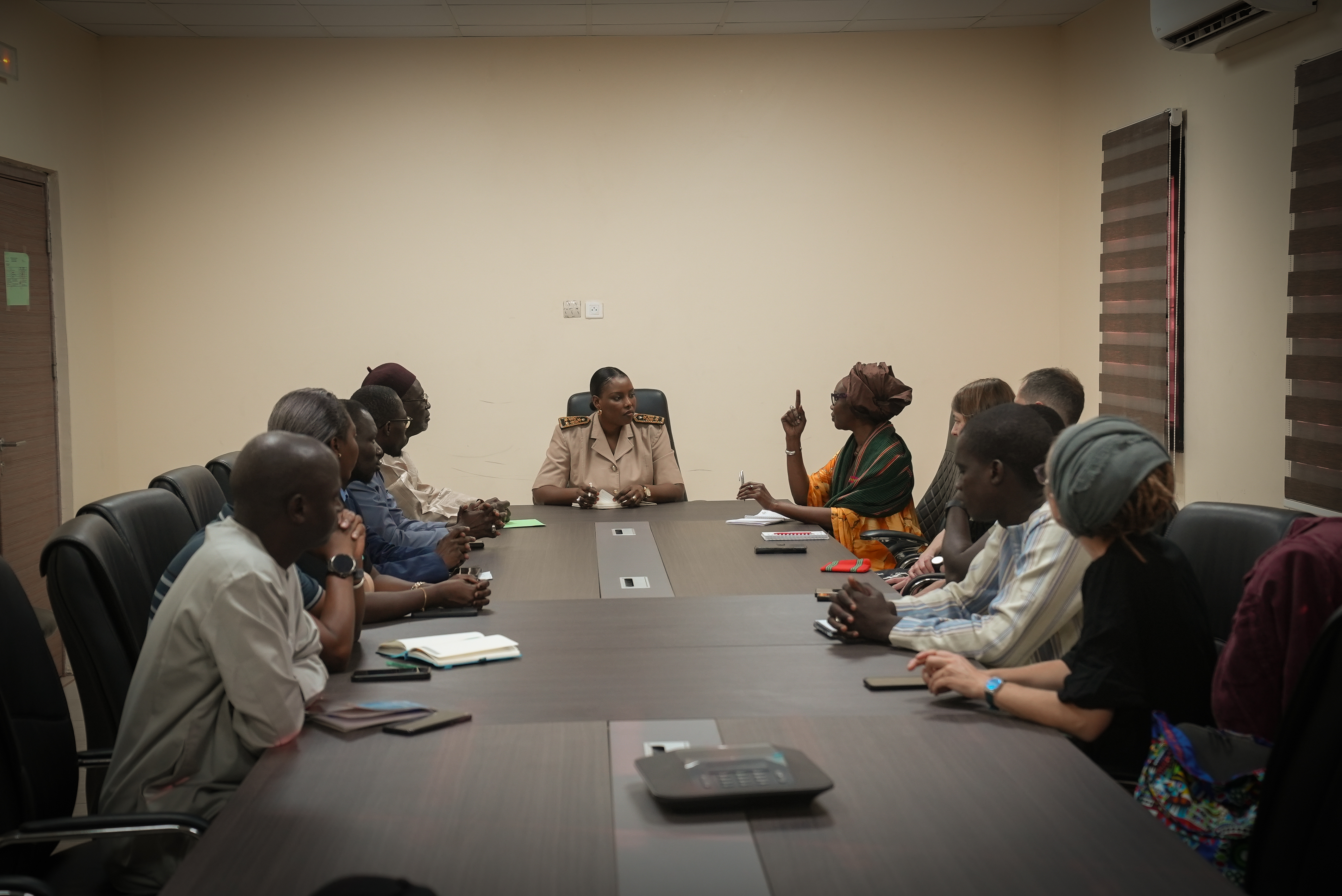
The discussions helped anchor the project in local institutional realities and gather the priorities of territorial stakeholders regarding nutrition and food systems.
Kaffrine workshops (February 5-6)
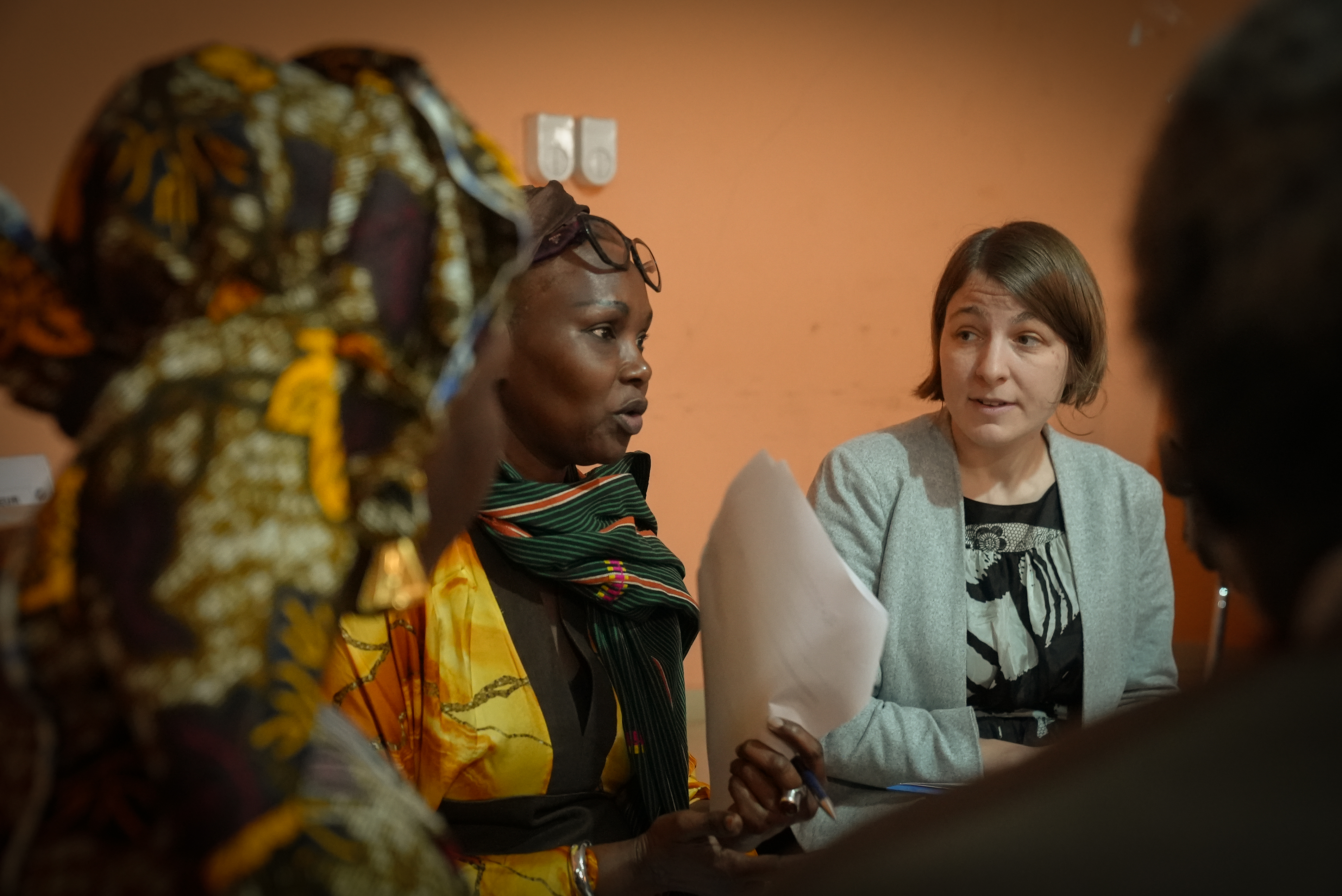
The consortium then moved to Kaffrine for a second series of workshops. Group work brought together local stakeholders — civil society, technical services, producer organizations — around a shared diagnostic of urban food challenges.
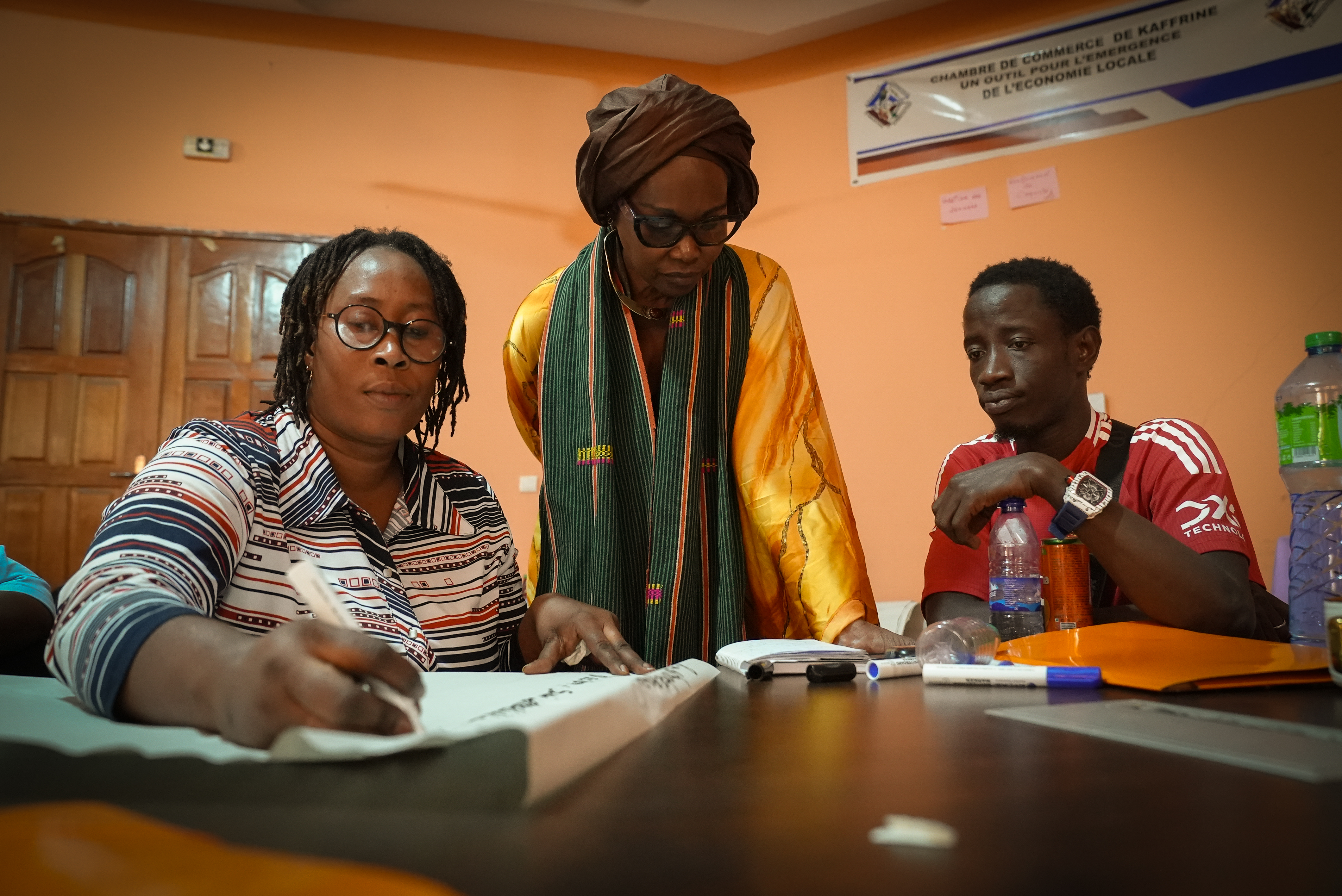
Participants worked on stakeholder mapping, identification of key food value chains, and priority intervention levers to improve urban nutrition.

The role of CREATES
CREATES specifically contributes to capacity building in agroecology and provides the link with the DyTAES network (Dynamics for an Agroecological Transition in Senegal). The center brings its expertise in participatory action-research and territorial food system governance — an approach already reflected in the rich exchanges during these first workshops.