Advocacy for a just and sustainable agroecology in Bignona
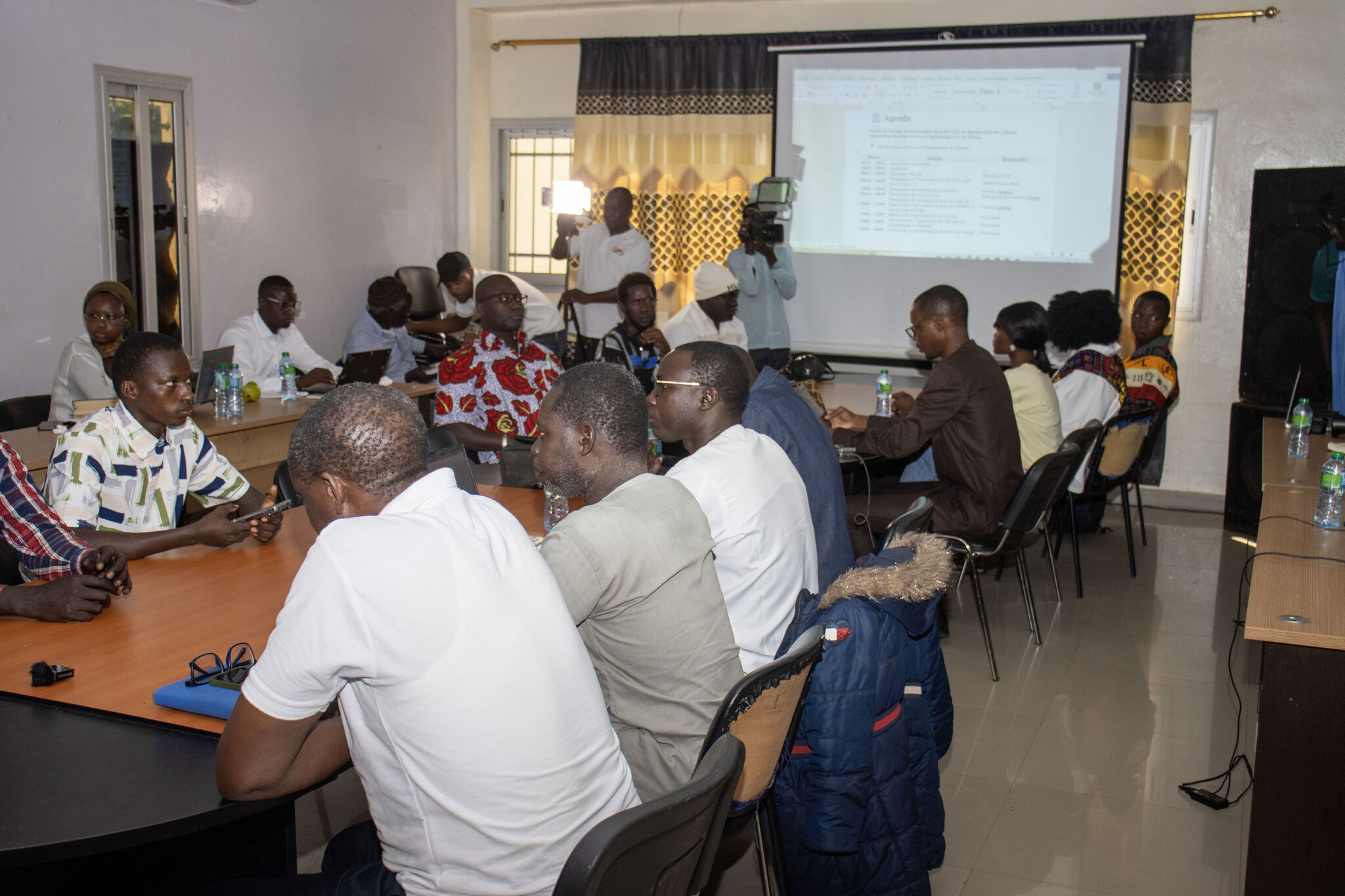
On 25 September 2025, the Departmental Council of Bignona hosted an advocacy workshop organised by the DyTAEL (Territorial Dynamics for a Local Agroecological Transition) of Bignona, in the presence of the Council President, Mr Souleyman Goudiaby, his team, municipal mayors and civil society organisations.

A clear and unequivocal message
At the centre of attention, a shared conviction: Bignona’s food systems can only develop sustainably by and for the farming communities that have shaped them. The DyTAEL of Bignona rejects a development model that would not benefit the families and communities of the department, and calls for vigilance against land grabbing, already prevalent in northern Senegal and now emerging in Casamance.
Three levers for a just agroecology
The workshop presented concrete proposals around three priority areas:
- Integrating farming communities into territorial planning, ensuring that the development vision stems from the knowledge and lived experience of those who inhabit the territory
- Collectively securing land rights over land, water and natural resources, to strengthen productive foundations and prevent the commodification of land
- Providing communities with collective infrastructure for storage, conservation and processing, to reduce post-harvest losses and retain added value within territories
These proposals are part of a broader set of recommendations — peasant seed banks, rehabilitation of the Affinam dam — and represent a starting point for renewed dialogue between civil society, political authorities and citizens.
Art, science and advocacy
The meeting was enriched by the presentation of artistic and cultural creations — slam poetry, painting, theatre and audiovisual works — emerging from a dialogue between science, art and policy. These productions reflect the richness of approaches mobilised to carry the message of a just agroecology.

This workshop was carried out within the ARTS-SOR4D project, led by ENDA-PRONAT, IPAR and the University of Bern (represented by the CREATES team), with support from the Swiss Agency for Development and Cooperation (SDC) and the Swiss National Science Foundation (SNSF).